

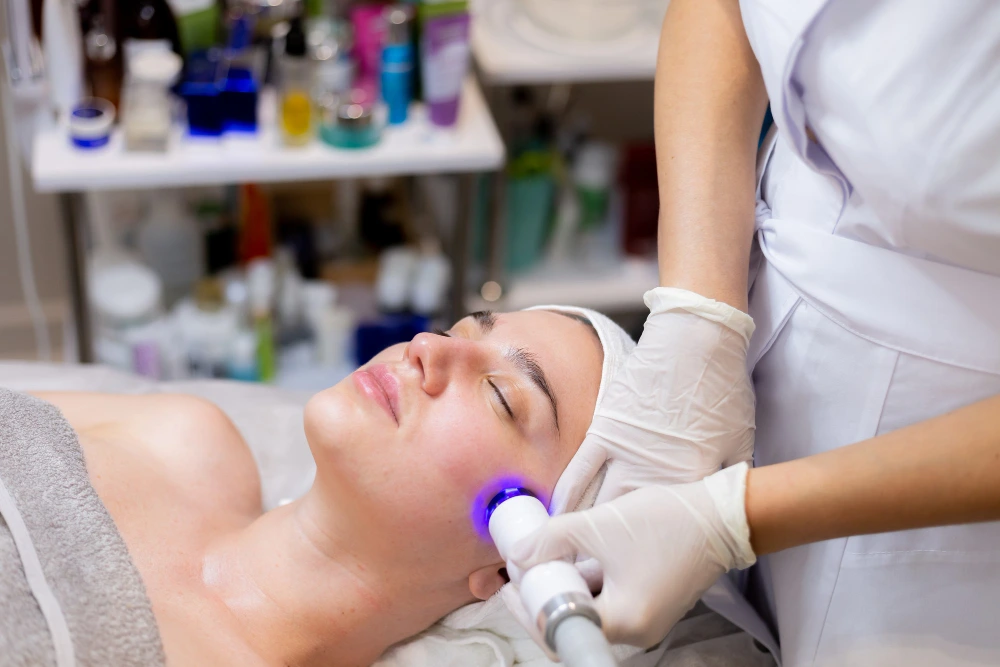
A brighter complexion does not mean having lighter skin. It means addressing the discoloration, patchiness, and lingering marks that can make skin tone appear uneven. For anyone considering a skin lightening treatment, understanding this difference matters. Professional pigmentation care focuses on improving the appearance of dark spots and uneven tone while respecting the skin’s natural color.
The cause of discoloration also determines its treatment. For example, post-acne discolorations, sunspots, and melasma all have unique characteristics that require their own treatment. Knowing the type of problem helps the esthetician choose the right products for treatment.
What Triggers Persistent Skin Discoloration?
Pigmentation results from uneven production or distribution of melanin. Several factors can contribute to this, so it is important to identify the cause.
Post-inflammatory hyperpigmentation tends to occur as a result of acne, irritation, or injuries to the skin surface. Melasma is often related to hormonal changes and sun exposure, whereas sun spots arise from constant UV exposure. While all three conditions may appear as dark spots on the face, there is no guarantee they will respond to the same skincare products or procedures.
This becomes especially important for persistent skin pigmentation problems. Discoloration on the skin’s surface can be removed with exfoliation procedures, whereas other types of pigmentation require additional effort.
Professional Treatments for a More Even Complexion
Different skincare treatments address different aspects of skin health. Some focus on exfoliation, while others target texture, scarring, or overall skin appearance.
Chemical Peels
Exfoliating formulations are used in professional peels to improve uneven tone and eliminate accumulated dead skin cells. This might help with rough texture, acne marks, and superficial pigmentation, depending on the formulation.
Microneedling
Using tiny needles, microneedling creates carefully regulated microchannels in the skin. It is often considered for visible signs of aging, uneven texture, and acne scarring. It should be evaluated on a case-by-case basis for clients with pigmentation issues.
Dermaplaning
This treatment removes surface dead skin cells and fine facial hair using a specialized blade. It leaves the skin feeling smoother and can improve the appearance of surface dullness. However, it is not intended to treat deeper pigmentation.
Oxygen Facials
Oxygen facials provide another alternative, which is based more on hydration and rejuvenation. They can complement your skincare regimen but should not be considered a way to fix persistent dark spots.
The choice between these procedures depends on the problem you have. A combination of treatments is not mandatory, and skin needs time to recover.
Advanced Skincare Requires More Than Stronger Ingredients
Advanced skincare is often associated with potent formulations and professional treatments. But a skincare regimen’s efficacy depends on how compatible those treatments are for an individual.
For instance, a person suffering from acne and post-inflammatory hyperpigmentation may think that using multiple exfoliating products would help him tackle these problems sooner. Actually, too much exfoliation will only irritate his skin and possibly exacerbate the discoloration.
Skin with a lot of melanin has to be considered during corrective treatment. Because inflammation leads to pigmentation, formulation, intensity, and post-treatment guidance are even more important in such cases. This doesn’t mean that professional exfoliation can’t be done on dark skin; it means that an individual analysis is required.
A good routine should also consider the client’s existing skincare, sensitivity, and sun exposure. Professional treatments are effective when paired with proper home care, not multiple active ingredients.
Choosing the Right Professional Skincare Provider
When looking for medical grade skincare services, focus on both consultation process and treatments. A service provider should understand your skin concerns, review your current routine, and explain why a particular treatment may be suitable.
Licensed estheticians can help identify concerns where professional exfoliation, microneedling, or other corrective services may work. They should also explain treatment limitations, possible reactions, and aftercare requirements.
Proper sun protection on a daily basis is especially important for the problem of hyperpigmentation. UV light can worsen existing pigmentation problems and make the discolored skin patches even more visible.
Make Your Skincare Decisions Count
Patience and well-informed treatment decisions are necessary for pigmentation care. One complexion concern might be resolved with a peel, but another might require a different mix of at-home care and professional services. Every type of discoloration cannot be addressed by a single treatment.
At Isle of Indulgence Spa Inc., licensed estheticians provide personalized corrective skincare for all skin types and tones, including melanin-rich skin. Based on specific concerns, we offer treatments such as chemical peels, microneedling, dermaplaning, and oxygen facials, with recommendations.
Book a consultation to discuss your skincare goals and explore suitable options for improving skin clarity and tone.